Delta Anchors New Middle East Strategy With Atlanta Hub
Delta Air Lines is launching its first U.S. Carrier service to Riyadh from Atlanta and Boston, using new Airbus A350s, while its return to Tel Aviv remains

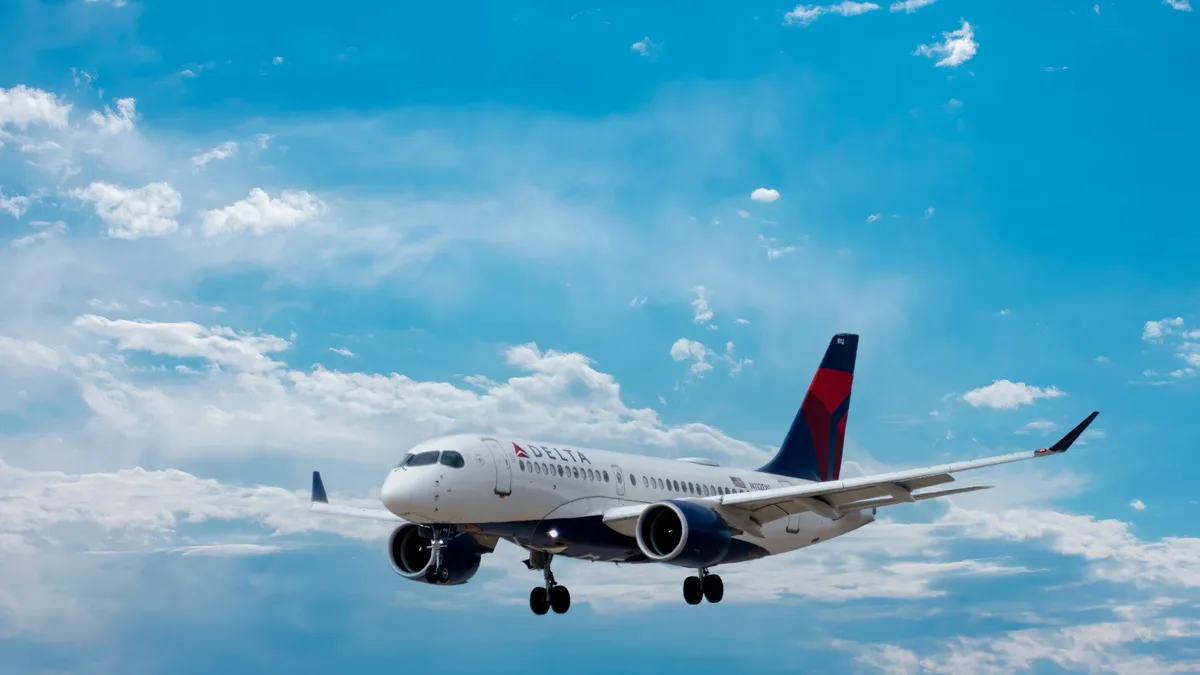
Delta Air Lines is launching its first-ever nonstop service from the United States to Saudi Arabia later this year, choosing its Atlanta and Boston hubs over New York-JFK. The airline will serve Riyadh Airport with its new Airbus A350-900 jets, equipped with Delta One suites and Premium Select cabins, targeting business travelers initially.
Each destination will be served by one of the new Airbus A350-900 jets. Delta is targeting business flyers by combining these newest widebodies with the connectivity of its Atlanta hub, which offers flights to over 100 North American destinations. The absence of strict slot constraints at Atlanta, unlike at JFK, gives the airline flexibility to adjust frequencies based on demand.
Atlanta Chosen For Riyadh Launch
The strategic push to establish an air bridge to Riyadh works as a hedge against difficulties returning to Tel Aviv and aligns with Saudi Arabia's Vision 2030 tourism drive. It is both historically significant and operationally ideal for the first U.S. Carrier route to Saudi Arabia to land at Delta's historic headquarters in Atlanta.
The airline has recently invested in major upgrades to its lounges and widebody fleet with new Airbus A350 and A330neo jets. Delta is deploying its flagship fleet featuring the Delta One Suites with full-privacy doors and Delta Premium Select on the route. These configurations command higher profit margins than economy seating, aiming to make the route financially viable from day one based on business travel.
Delta is kicking off its Riyadh service with daily flights for the first week, then offering three weekly departures after that. As the kingdom markets itself as a global leisure destination, Delta's long-term strategy can pivot to capture an emerging tourism wave.
Tel Aviv Service Remains Grounded
Delta suspended all service to Ben Gurion Airport in February. The airline expected to begin service from both Atlanta and Boston to Tel Aviv three times a week in mid-April, but continued conflict prevented the relaunch. After the April 15 date fell through, Delta tentatively slated its return for November 30, but that was also canceled.
The last update from Delta in late May has not changed. The airline pushed the Atlanta restart date back once more, to December 18, citing the near-shutdown of Ben Gurion Airport caused by fighting. Interestingly, as dates kept sliding for Atlanta and Boston, the JFK service restart was locked into September 6.
The administration of Tel Aviv Airport has been in an ongoing feud with the Israeli government and the U.S. Military's Central Command over military jets crowding its ramp. Primarily Boeing KC-135 Stratotankers have effectively crowded out commercial aviation. At peak points, U.S. Air Force airframes have occupied 59 out of the 99 parking zones available at Ben Gurion.
This has restricted the airport's capacity to just one-third of its potential, severely reducing a projected record summer with as many as 2.4 million customers. The airport estimates revenue losses at somewhere north of $500 million. Delta is directly entangled in this parking crisis, which has shattered its multi-hub expansion timeline for Israel.
JFK has the highest volume of local, premium point-to-point traffic, making it the most profitable single daily flight to maintain under restricted operations. There remains hope that Atlanta will be able to commence operations in December, but plans for Boston service have been indefinitely postponed.
Competing With Gulf Carriers
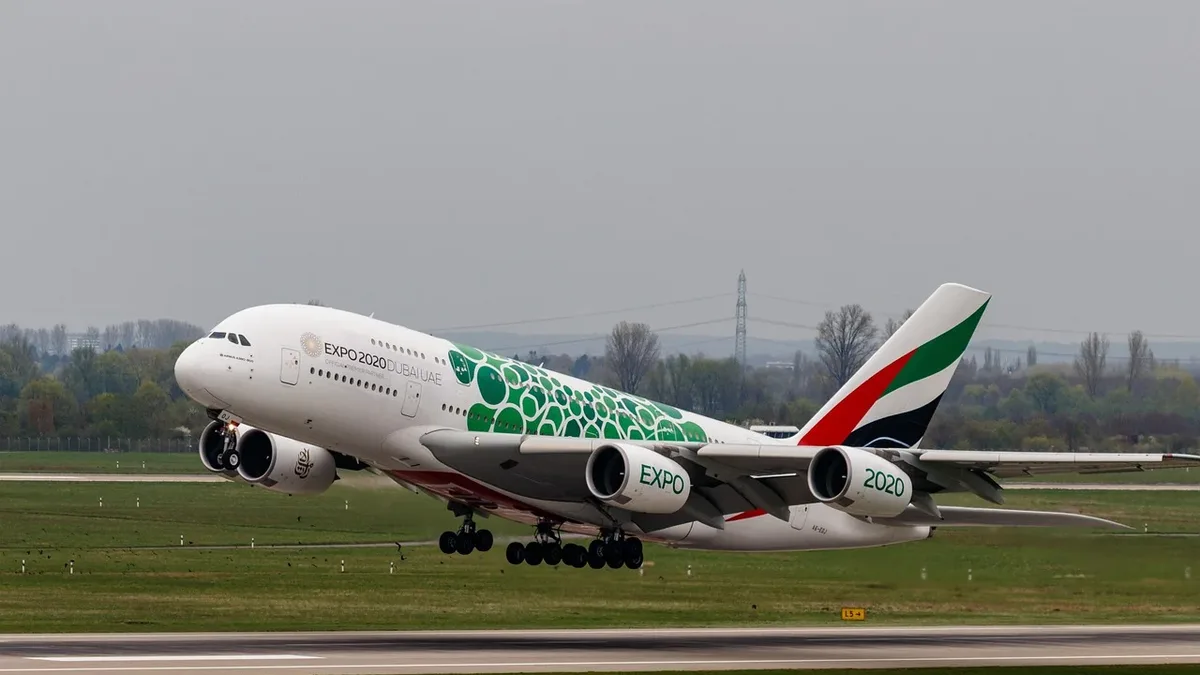
Once Delta achieves its goal of bringing full service online to three East Coast hubs, it can directly compete with dominant Gulf carriers such as Emirates, Qatar Airways, and Etihad for a larger share of flyers to and from the Middle East. CEO Ed Bastian tied the Riyadh launch to Delta's broader global growth push as the carrier starts its second century of flight.
This strategy feeds directly into Delta's ultimate goal of taking international market share away from the Gulf megacarriers. If Delta holds its current schedule dates, Atlanta will go from having zero Middle East nonstops to operating two of them, Tel Aviv and Riyadh, within just six weeks of each other.
Delta's deployment of the Airbus A350-900 and A330-900neo across these hubs introduces massive cargo hold capacity alongside a heavy premium cabin mix. Operating a strong schedule into Tel Aviv would allow Delta to optimize crew rotations, maintenance schedules, and aircraft positioning across the Mediterranean and the wider Gulf region.