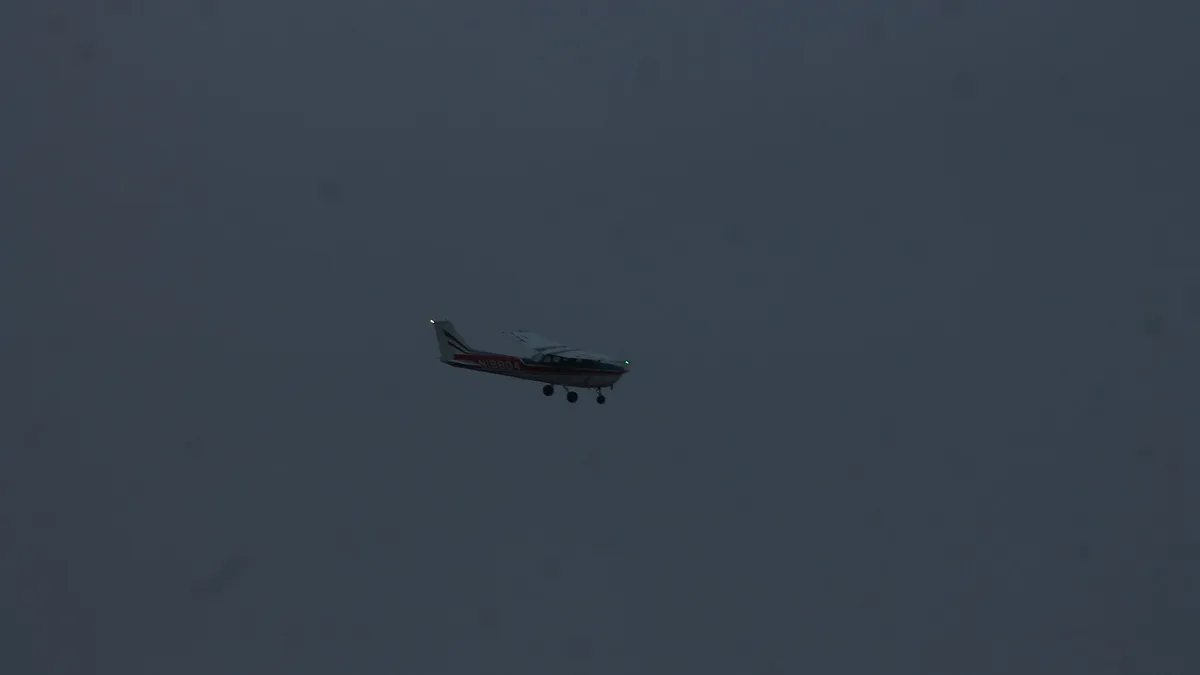
Cessna 172
| Manufacturer | Cessna |
|---|---|
| Country of origin | United States |
| First created | 1950s |
| Original use | Civilian training and personal aviation |
| Engine type | Single piston engine |
| Seating capacity | Four |
| Wing configuration | High-wing, fixed landing gear |
| Programme status | In production |
Origin and history
The Cessna 172 originates from the United States and was first introduced in the mid-1950s. It was developed as a successor to the tailwheel-equipped Cessna 170, with a key design change being the adoption of a tricycle landing gear. This modification made the aircraft significantly easier to land and handle on the ground, contributing directly to its popularity. The design was based on Cessna's existing model 170 but incorporated a new, more forgiving landing gear configuration. Its first flight occurred in 1955, with production commencing shortly thereafter. The aircraft's design philosophy prioritized simplicity, reliability, and ease of operation, which established it as a staple in general aviation.
What it is designed for
The Cessna 172 is designed primarily as a light, single-engine, piston-powered aircraft for personal and training use. Its core mission is to provide a stable and forgiving platform for flight instruction, making it the most common trainer aircraft globally. The design emphasizes straightforward handling characteristics, high-wing stability for better ground reference visibility, and predictable stall behavior. Beyond training, it is routinely used for personal transportation, light cargo carrying, aerial observation, and recreational flying. The cabin is configured to carry up to four occupants under typical conditions, balancing useful load with operational economy. Its design specifications target reliable operation in a wide range of climates and from relatively short and unprepared airstrips.
Development and versions
Continuous development since the 1950s has led to numerous versions of the Cessna 172, each incorporating incremental improvements. Early models, like the 172 and 172A through 172G, featured gradual refinements in windows, instruments, and landing gear. A significant change came with the 172I in 1968, which introduced a Lycoming engine to replace the previous Continental powerplant. The 172N "Skyhawk" model in the 1970s brought a redesigned tail and increased fuel capacity. In 1996, Cessna launched the 172R, which included a standard fuel-injected engine and a new gross weight increase. The current production model, the 172S, features a more powerful engine and a maximum gross weight of 2,550 pounds. Specialized versions have also been produced, including the float-equipped 172 Skyhawk on straight floats and the military T-41 Mescalero.
Cessna 172 specs
Typical specifications for a modern Cessna 172S include a Lycoming IO-360-L2A engine producing 180 horsepower. Its standard maximum takeoff weight is 2,550 pounds, with a typical empty weight around 1,700 pounds, resulting in a useful load of approximately 850 pounds. The fuel system typically consists of two wing tanks with a total usable capacity of 56 gallons of avgas. Performance figures include a cruise speed of approximately 120 to 130 knots, a service ceiling of 14,000 feet, and a rate of climb near 720 feet per minute. The stall speed in a landing configuration is typically around 47 knots.
Cessna 172 seat map
The cabin is arranged in a fixed configuration with two front seats and two rear seats. The pilot-in-command traditionally occupies the left front seat, with a passenger or co-pilot seated to the right. The two rear seats are bench-style, accessed by doors on both sides of the cabin. Baggage space is located behind the rear seats, with a certified maximum weight limit, typically 120 pounds. The seating is not adjustable fore and aft, though seatback recline is possible on some models. Entry and exit are accomplished via upward-opening doors that are relatively large, facilitating easier boarding than some low-wing aircraft.
Overview
The Cessna 172 is a high-wing, all-metal monoplane with fixed tricycle landing gear and a single piston engine driving a constant-speed or fixed-pitch propeller. Its construction is predominantly aluminum, with a semi-monocoque fuselage and strut-braced wings. The high-wing design provides excellent ground visibility for occupants and inherent stability in flight due to a pendulum effect. Systems are deliberately simple, with manual flight controls, a conventional six-pack instrument panel in older models, and options for modern glass cockpit avionics in newer ones. It is certified under the FAA's Normal Category and is approved for day and night VFR and IFR flight when equipped appropriately. The airframe is known for its durability and longevity, with many examples remaining in service for decades.
What to know
Operators should know that the aircraft's performance is significantly affected by weight, temperature, and altitude, requiring careful pre-flight planning. The useful load, once occupants and fuel are accounted for, often leaves minimal capacity for baggage, especially with full fuel tanks. The aircraft is not designed for aerobatic maneuvers and is prohibited from intentional spins in most later models. Recurrent training is advised for pilots, as the aircraft's forgiving nature can lead to complacency in areas like crosswind landing techniques. Ownership involves ongoing costs for engine overhaul, scheduled maintenance, insurance, and hangarage or tie-down fees. A vast network of mechanics and a plentiful supply of used parts exist due to the type's ubiquity.
Common questions
A common question is whether the Cessna 172 can be flown on a single pilot license, to which the answer is yes, as it is a single-engine land airplane. Many ask about its safety record, which is statistically favorable due to its stable flight characteristics and widespread use in training environments. People often inquire about the cost to purchase one, with prices varying widely from tens of thousands for older models to several hundred thousand for new production aircraft. A frequent operational question concerns its range, which is typically around 500 to 600 nautical miles with reserves, depending on model, weight, and cruise power settings. Prospective buyers commonly ask about the difference between the 172R and 172S models, which primarily relates to engine power and maximum gross weight. Another routine question is about its suitability for flight training, for which it is overwhelmingly the global standard.
Pros and cons
A primary pro is its exceptional handling stability and predictable stall behavior, which makes it an ideal and forgiving trainer. The high-wing design offers superior visibility for ground reference maneuvers and provides shelter from rain and sun during boarding. Its simplicity leads to generally lower maintenance costs compared to more complex aircraft, and its ubiquity ensures excellent parts and mechanic support. A significant con is its limited performance, particularly in hot and high conditions where climb rate and useful load can become severely constrained. The cabin, while seating four, is often only practical for two or three adults with full fuel due to the modest useful load, leading to frequent weight and balance compromises. A common mistake is owners or renters overloading the aircraft or failing to calculate density altitude, which can lead to dangerous performance deficiencies on takeoff.
Who it suits
The Cessna 172 suits flight schools and fixed-base operators perfectly, as its durability and training-oriented design make it a reliable revenue-generating asset. It is ideal for new private pilots seeking an affordable and familiar aircraft for building initial flight experience and for maintaining proficiency. The aircraft suits pilots whose missions consist of short to medium-range flights in day or night VFR conditions, often to smaller airports with modest runways. It is less suited for pilots requiring consistent four-place travel with baggage over long distances, or for operations in consistently high-elevation environments. Owners who value simplicity, predictable operating costs, and a vast support network will find the type a good match. It does not suit those with a need for speed, significant cargo capacity, or all-weather operational capability without substantial and expensive avionics upgrades.
Latest Cessna 172 news
Latest reporting
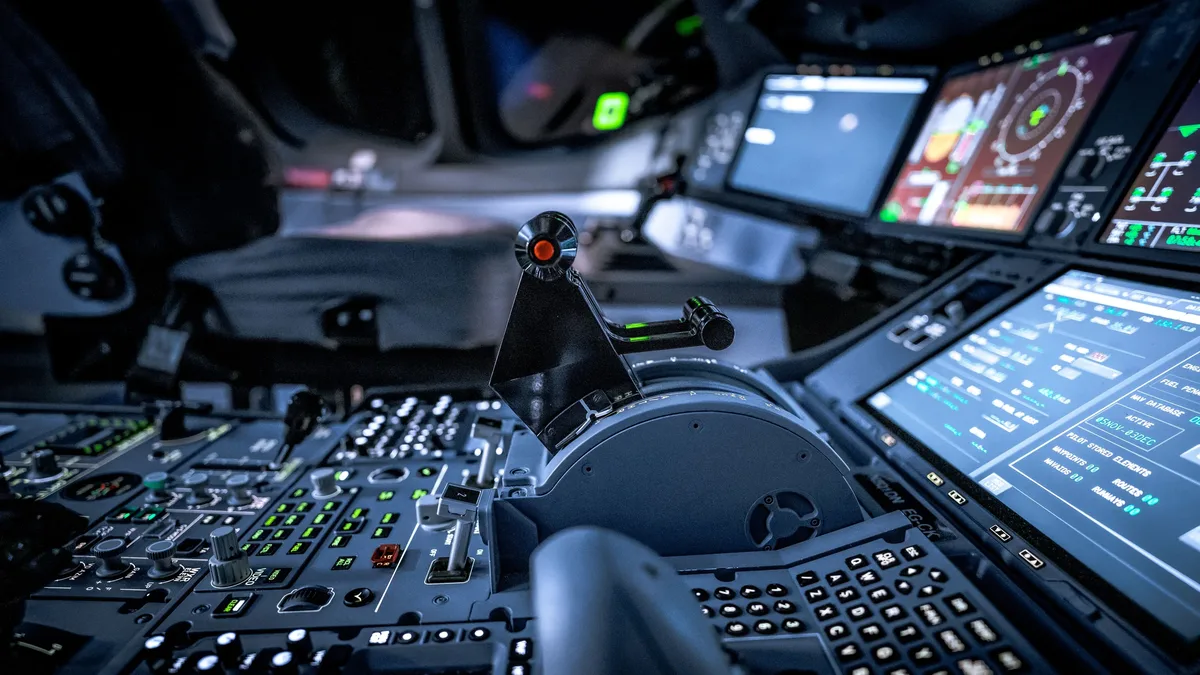
TRU Simulation Debuts Cessna Skyhawk Veris VR Trainer
TRU Simulation + Training is unveiling its Cessna 172 Skyhawk-configured Veris VR flight training device at NBAA-BACE 2026.
Joby Aviation Flies Cessna Caravan Coast-to-Coast
Joby Aviation completed a 3,199-mile autonomous flight across the United States using a converted Cessna Caravan.
Joby's autonomous Caravan completes coast-to-coast US flight
A Joby-modified Cessna Caravan flew 3,199 miles autonomously from California to North Carolina without control input from its onboard safety pilot.
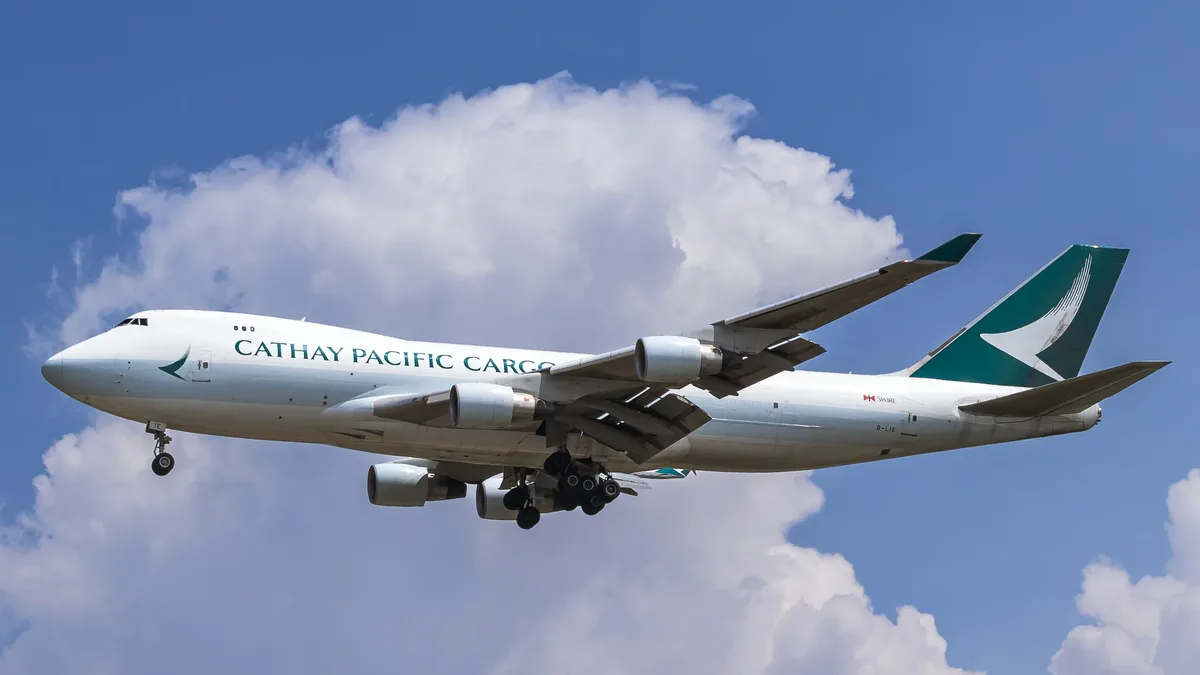
Joby's Autonomous Caravan Completes Coast-to-Coast Flight
Joby Aviation's modified Cessna 208 Grand Caravan completed a 3,200-mile autonomous flight from California to North Carolina with no pilot control...
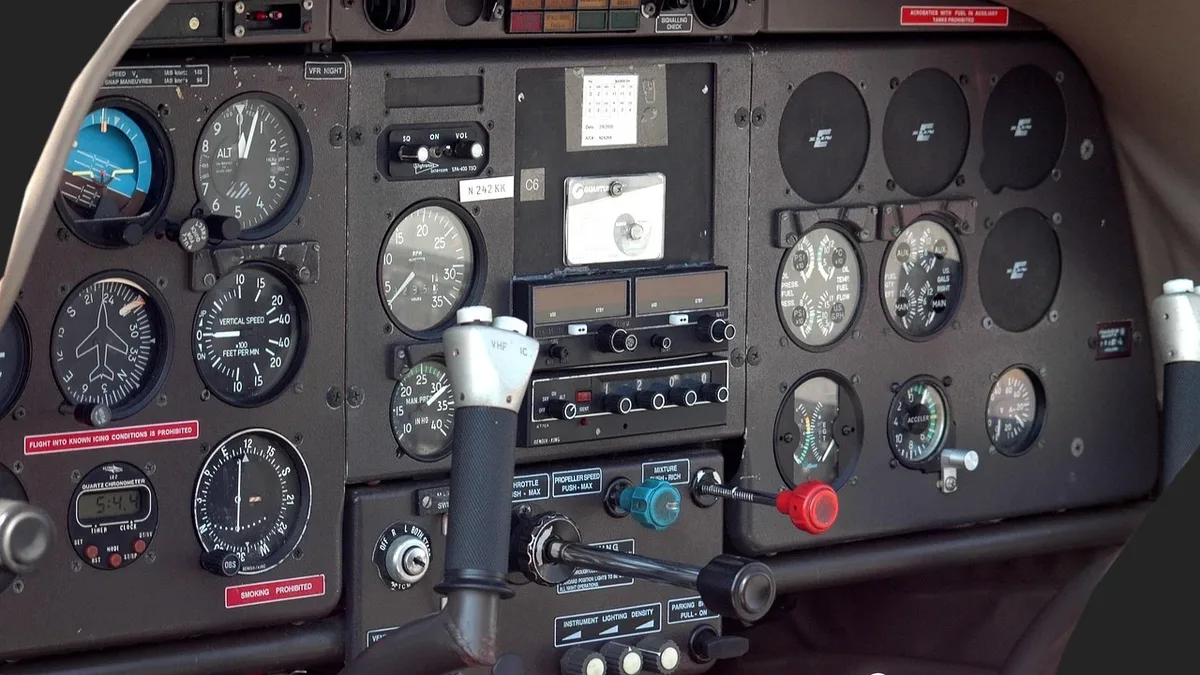
NTSB: Radio Contact Preceded Pennsylvania Midair Collision
The NTSB's preliminary report states the pilots of a Cessna 150 and a Pennsylvania State Patrol Bell 407 helicopter were in radio contact before...
Teton CAP Squadron Deactivated, Cessna 206 Reassigned
The Teton Civil Air Patrol squadron in Jackson Hole, Wyoming, was deactivated on Aug. 17, 2024, after months of disagreement between local leaders...